What to Do

Mini Features

Light Up

While Cuba - and its famous cigars - may be off-limits to most Americans, a small cigar factory in Nassau offers the chance to puff on products by the man who once rolled the cigars of no less a connoisseur than Fidel Castro himself. Avelino Lara, who can now be found at the cigar company at Graycliff, had a satisfied customer in the Comandante, and he boasts that Castro never returned a single one of his stogies. But once Fidel kicked the habit, Lara was looking for work and eventually took his talents to the Bahamas after meeting the owner of Graycliff, Enrico Garzaroli. Today he and the rest of his team of fellow Cuban rollers work on the grounds of the 260-year-old British Colonial resort, built by the infamous pirate John Howard Graysmith. After a tour of the factory, visitors can order a drink and, of course, light up in a wood-paneled room that overlooks the rollers creating their masterpieces. All the different series of cigars produced by the Graycliff company have their fans, though anyone who has been skeptical of candelas should give them a second chance and try one of the Emerald Presidents. Smokers who prefer stronger fare should opt for the Espresso President, a rich, dark Churchill of a cigar. Whichever series you buy, thanks to Lara’s expert rollers you can be guaranteed a cigar that draws well with no soft spots (Graycliff Cigar Company, 800-476-0446, graycliff.com). - John Newton

The Cloister and Versailles Gardens

The transformation of Hog Island into Paradise Island began in 1961, when A&P grocery chain heir Huntington Hartford II bought the island and convinced the government to change the name. He built the exclusive Ocean Club and completed a garden on the site inspired by the Versailles gardens of King Louis XIV.

Seven grassy terraces climb a half-mile uphill from the resort pool, each level showcasing original sculptures, many of them white Carrera marble. At the entrance are two exquisite statues of Josephine, wife of the Emperor Napoleon. Higher up is a life-sized, 12th-century Greek statue of Hercules. Facing it on opposite sides are towering bronzes of Franklin D. Roosevelt and David Livingstone, the men Hartford admired most.

Farther up is a small bronze entitled “Mother and Child,” created by Dick Reid in 1920. The highest terrace is the setting for a statue of Gretchen, Mephistopheles and Faust, along with a sundial on a gothic 12th-century base.

Across Paradise Island Drive from the gardens stands a colonnade from a 14th-century Augustinian monastery. Purchased in France in the 1920s by American newspaper magnate William Randolph Hearst, the disassembled and crated structure sat in a Florida warehouse for 40 years until Hartford bought it and had it erected on Paradise Island. Roofless, with columned sides and several arches, the Cloister surrounds a marble statue of a Madonna called “Silence.” There’s a romantic Greek stone gazebo nearby.

Note: Visitors are welcome to stop by the Cloister and view the gardens from this vantage point as well. Only guests of the Ocean Club are allowed to actually walk the gardens. (One & Only Ocean Club, 800-321-3000, www.oneandonlyresorts.com). - Dale Leatherman

Ethnic and Food Festivals

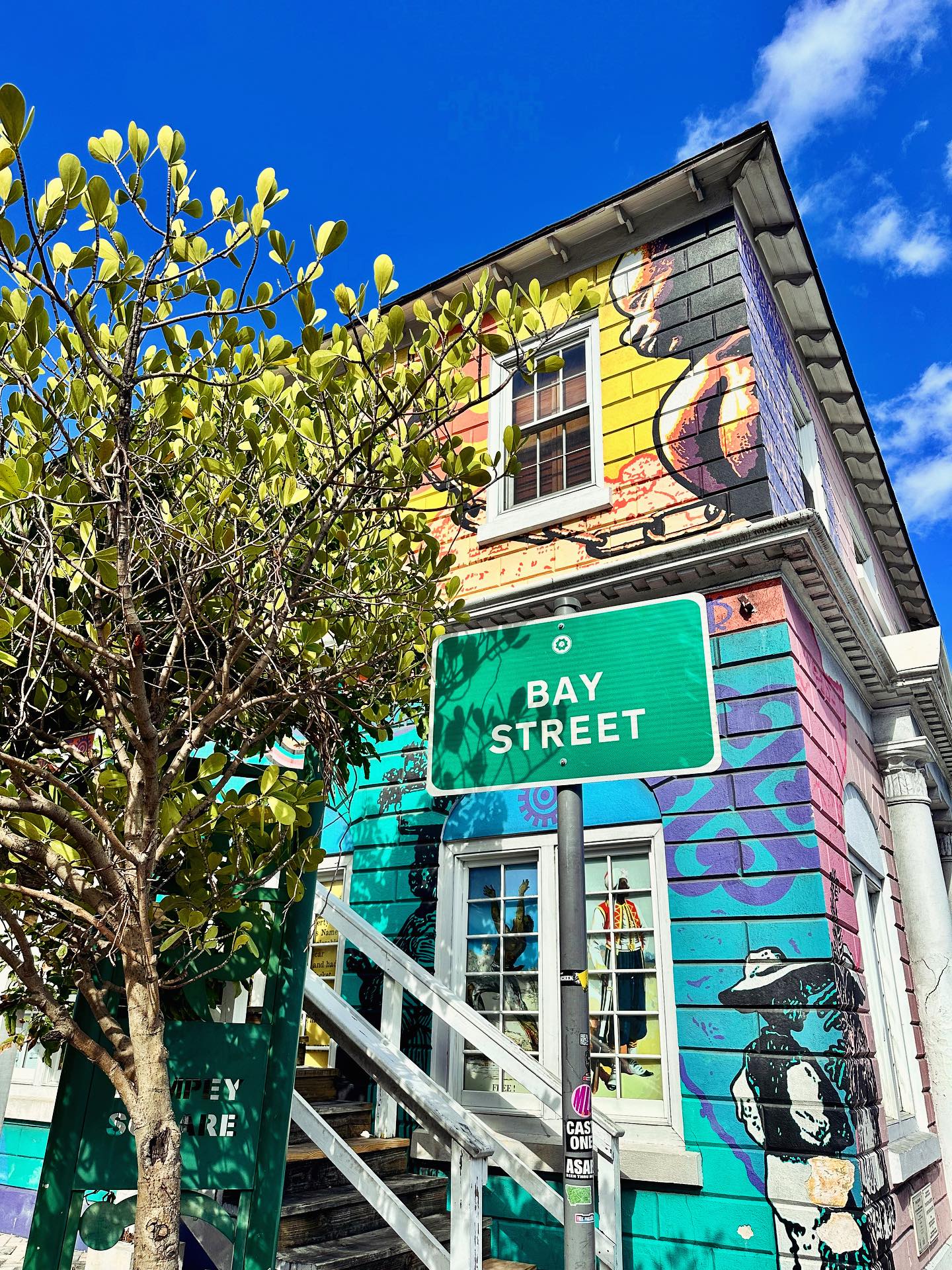
Bahamians start and end the year with Junkanoo, a celebration of their heritage expressed in music, art and dance. Participants wearing elaborate, Mardi Gras-style costumes dance through the streets playing cowbells, drums, whistles and other musical instruments. The wild, noisy and colorful parade starts at 2 a.m. on New Year’s Day, and ends at 9 a.m., when winning teams are announced and the party continues. This happens again on Boxing Day (December 26). Junkanoo is celebrated everywhere, but the biggest event is on Bay Street in downtown Nassau.

The Fox Hill Day Celebration begins in early August and continues with two weeks of street parties and dances until the second Tuesday, which is devoted to gospel concerts and native cuisine in Freedom Park.

In July, Bahamians celebrate their independence from British rule with a huge Junkanoo parade along Bay Street to Arawak Cay, which becomes party central.

Nassau’s Botanical Gardens is the setting for the International Cultural Weekend held the third week in October. The island’s 40+ embassies provide exhibits, entertainment and ethnic food and drink.

Heritage Village in Arawak Cay, just west of Nassau, hosts several ethnic celebrations, including the Junkanoo in June Heritage Festival and the October Great Seafood and Heritage Festival. Both feature traditional food, drink, music, dancing and storytelling.

The Bahamas Culinary Classic Wine and Food Festival in the fall is a cook-off by top local chefs using Bahamian ingredients in creative ways. Their dishes are judged by celebrity chefs, and then enjoyed by visitors and locals. - Dale Leatherman

Arawak Cay Fish Fry

A “fish fry” is a Bahamian version of a seafood festival, sort of a tasty Bahamian backyard experience. And, there is no better place on a Friday evening than to stroll through the colorful village at Arawak Cay, just west of downtown Nassau. The cay is the scene of the Fish Fry, a weekly get-together featuring plenty of down-home island cooking and local entertainment. It’s where the locals go on the weekends to eat fresh seafood just plucked from the waters offshore.

Here you can watch fresh catches being cooked up, along with other seafood specialties unique to the islands. This is the place to try conch prepared in a salad, as a burger or as fritters. It’s served best with Kalik, a local Bahamian beer, named after the sound created from the Junkanoo cowbells.

The village is rich with cultural “goodies,” like colorful exhibits of Bahamian crafts and varied samplings of tasty grilled conch, snapper and grilled fish combo. Local vendors also have plenty of snacks like crack conch and crack lobster, conch fritters and a local favorite, guava duff, a tasty bread-pudding dessert. Be sure to try the potato bread and freshly made salads. Prices vary, but you can plan on spending about $10 USD for an ample platter and beverage.

For those desiring to prepare this tasty cuisine in their own kitchens, professional chefs are on hand giving culinary demonstrations, including preparing local dishes in the old-style rock ovens. - Greg Johnston

Bahamian Handicrafts

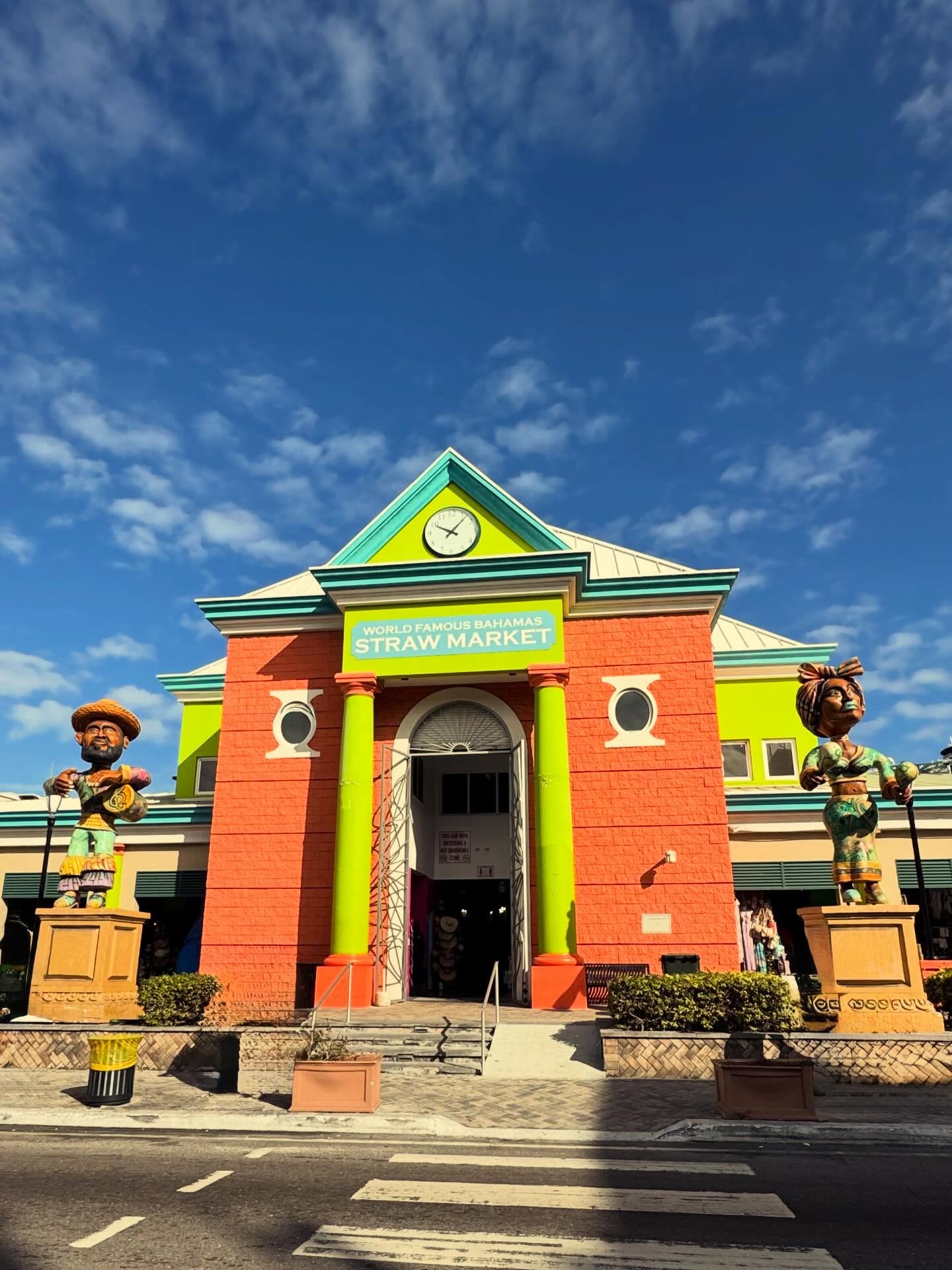
From the islands’ famous straw baskets to handcrafted Junkanoo masks, the Bahamas’ long tradition of crafts isn’t confined to glass cases in design museums. Instead vendors sell their handmade wares throughout Nassau/Paradise Island and visitors can pick up unique souvenirs that will last long after the last drop of their duty-free rum. The best starting point to get an overview of the islands’ crafts traditions is at Festival Place on Prince George Wharf. The colorful market is home to more than 40 artisans, and only sells authentically Bahamian crafts and popular snacks. (You can enjoy a coconut tart while a local artist puts the final touches on a customized straw bag.) The traditional straw bags designed by Harl Taylor, whose store is at Festival Place, have made their way into the closets of celebrities including Oprah Winfrey and Elle McPherson. While the prices are fixed at Taylor’s shop, bargaining is the name of the game at the Straw Market along Bay Street, where placemats and baskets, as well as local jellies, can be had for a song by expert hagglers. (There are also smaller craft markets on Paradise Island and Cable Beach.) Back at Festival Place, Christina Robinson continues the tradition of clay bead making, stringing her work into unusual necklaces and earrings. - John Newton

Jitney ‘Round Town

Nassau’s 32-seat public buses are so popular that the oh-so-British name has become a verb. You can “jitney” all around Nassau for $1 ($2 to the outskirts of town and Lyford Cay). Be sure to have exact change, and pay when you get off (not when you get on). Buses run between 6:30 a.m. and 6 p.m. There are bus stop signs at hotels, beaches, residential areas and downtown locations. You can also flag one down with a wave of the hand.

There are individual franchises for the buses, so they are not identical. Look for a white or blue-and-white bus with routes clearly marked front and back, as in “#10 – Cable Beach.” The average wait between buses is 30 minutes, a bit longer on Sundays.

Jitneys go to the foot of the Paradise Island Bridge, but do not go onto the island. Water taxis ($3 a person each way) travel between Prince George Wharf (behind the Straw Market) in downtown Nassau and the Paradise Island Ferry Terminal.

Here’s a basic jitney schedule:

  • From Bay Street (opposite Parliament Street) to the eastern end of the island (including foot of the bridge to Paradise Island) and return – Bus Numbers: 1, 9, 9A, 9B, 19, 21, 21A, 23
  • From Bay Street (opposite Market Street) to the Marathon Mall and return – Bus Numbers: 1, 1A, 3, 19, 21
  • From Frederick Street (Bay Street) to Town Center Mall and return – Bus Numbers: 4, 4A, 5, 5A, 6, 6A, 11A, 12, 15, 15A
  • From Bay Street (George Street) to Cable Beach and return – Bus Numbers: 10, 10A

Some jitneys are air-conditioned, others are not. Look for a bus with its windows closed… It’s probably air-conditioned. You can also ask the driver before boarding. - Dale Leatherman

Junkanoo in June Heritage Festival

At the first clanging of cowbells, your feet begin to move. Then your hips start to sway as the tom-tom drums erupt in a hypnotic beat, and before you know it, your hands are in the air swinging to the rhythmic blast of horns and scrapers as Junkanoo begins in June.

Think of Mardi Gras in the Bahamas and you’ve got one of the biggest street party festivals in the Caribbean. You can’t help from joining in the pelvic-shaking freestyle dance of costumed revelers as they parade around Arawak Cay.

In addition to the Junkanoo celebration held annually on Boxing Day (December 26) and New Year’s Day, each weekend in June the festival continues featuring street dancing, lots of customary rum drinks, all types of Bahamian cuisine and undoubtedly some of the best conch salad found anywhere. Artisans from around the islands indulge in folkloric storytelling and handcrafts. There are also live performances by top Bahamian music artists – culminating with a Junkanoo "rush-out" parade with participants arranged in groups organized around a particular theme. Their costumes, dance and music reflect this theme.

As Junkanoo traditions have evolved, so too have the elaborate costumes and musical instruments. Costumes today are meticulously crafted and colorfully painted. Each embodies an elaborate headdress and shoulder covering with intricate creations that take up to a year to complete.

If you can’t get enough hip gyrating in June, you’ll want to visit Nassau's waterfront Junkanoo Expo showcasing the colorful creations from past parades. The complex also includes a Junkanoo workshop, where you can make your own small souvenir piece, and a boutique with Junkanoo paintings and a variety of Junkanoo craft. - Greg Johnston

Shiver Me Timbers!

The numerous islets, shoals and hidden coves of Nassau/Paradise Island may attract beachcombers and sun-worshippers today, but in the 17th and 18th centuries they provided the perfect hiding places for less benevolent visitors, the buccaneers and pirates who plundered Spanish galleons, at times bringing the flow of gold and other riches back to Europe to a halt. Nassau’s reputation as a center of piracy led Spanish forces to destroy the town in 1695. But the lure of plunder was too great to be resisted, and soon the streets and squares of Nassau were again filled with rum-soaked outlaws with such colorful names as Calico Jack and the most legendary of them all, Blackbeard. Nassau was also the home of the only known female pirates from the “Golden Age” of piracy, Anne Bonny and Mary Read. Nassau/Paradise Island’s moment as a haven for pirates largely came to an end after 1718, when a new governor, Woodes Rogers, arrived and announced his campaign with a sound bite-worthy slogan, “Piracy expelled, commerce restored.” While Woodes Rogers largely fulfilled his promise and order was restored, the history of this unusual chapter in The Bahamas’ history can be experienced today at the Pirates of Nassau museum. Fair warning, however: Young buccaneers will want to ransack the gift shop named, appropriately, Plunder (admission for adults: $12, children: $6; 242-356-3759). While the ghosts of Nassau’s pirates still walk along the cobblestones of Parliament Square and the ramparts of Fort Fincastle and Fort Charlotte, we can’t point you to their buried treasure. - John Newton

Walk this Way

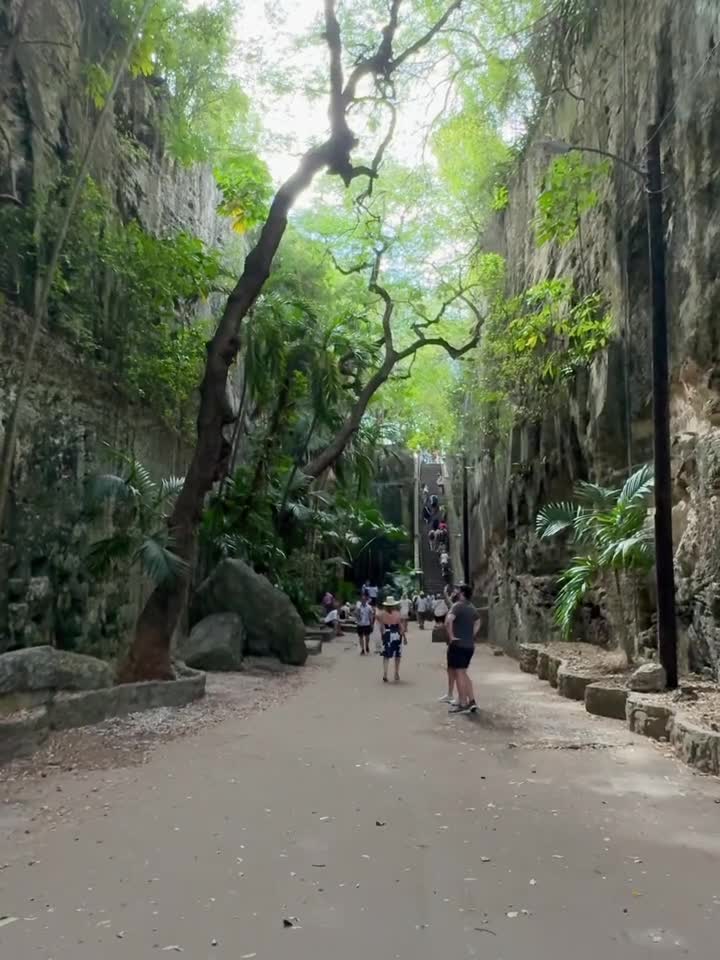
Nassau-Paradise Island is steeped in history as well as sunshine, and both can be enjoyed on walking tours organized by the Ministry of Tourism. Nassau was established in 1670, when King Charles II of England gave the island to six “proprietors.” The original establishment of Charlestown was named after the king, but it was later renamed after in honor of a later successor to the throne, William, the Prince of Orange-Nassau. The Ministry of Tourism offers three different ways to approach the capital’s historic sites. The first tour includes the graceful homes along Parliament Street, including Jacaranda, built in the 1840s and a noteworthy example of Bahamian architecture with its wide latticed verandahs. The tour concludes at Christ Church Cathedral. While various churches have stood on this site since 1670, the current building dates from 1841 and combines Gothic architecture with local materials including limestone and mahogany. The second tour provides postcard perfect views of Nassau, as visitors ascend the 102-foot Queen’s Staircase (constructed by slaves from 1793-94) before stopping at the Water Tower, the highest point on the island. Culture vultures might opt for the third tour. After a visit to Shirley Street, home of stately buildings like the library (originally constructed as a jail) and the Ministry of Education (once a private mansion), the tour ends at one of Nassau’s newest attractions, the National Art Gallery which opened in 2003. Tours depart from Rawson Square at 10:00 a.m. and 2:00 p.m. every day of the week except Sunday ($10 per person; 242-325-8687). - John Newton

Golfing in Paradise

One of the premier golf venues in Paradise Island is the Ocean Club Golf Course, a Dick Wilson original that was replaced by a Tom Weiskopf creation in 2000. During the massive reconstruction, foliage was removed to reveal sweeping views of the ocean on almost every hole. The course is long - 7,159 yards from the tips - and windswept, with inland lagoons and several ocean encounters. There are many eye-catching holes, but with a slope of 140, this par-72 beauty also bites. Private villas line the course, including one owned by Michael Jordan, who hosts the Michael Jordan Celebrity Invitational Tournament here every January.

Opened in 1928, the Cable Beach Resort Golf Club in Nassau is the oldest in the The Bahamas. In 2002, a redesign added a network of lakes and waterways that impacts a dozen holes of the 6,453-yard layout. The course features spacious green fairways and a minimum of sand bunkers, making it ideal for golfers of all skill levels. - Dale Leatherman