Marine Life in Nassau & Paradise Island: 6 Animals to Know Before You Go
We spend a lot of time talking about the colour of the water around Nassau & Paradise Island, but some of the best sights are below the surface.
Reefs, rocky ledges, seagrass beds, and deeper offshore waters are home to everything from spiny lobster and barracuda to sea turtles and blue marlin. Some are easy to spot. Others take a little luck.
These are six marine animals we think you should know before you head out on the water.
What You'll Find in This Guide
- Six marine animals found in Bahamian waters
- Where you're most likely to encounter different species
- What makes each species interesting
- Places around Nassau & Paradise Island to see marine life up close
- Tips for enjoying wildlife responsibly
Blue Marlin
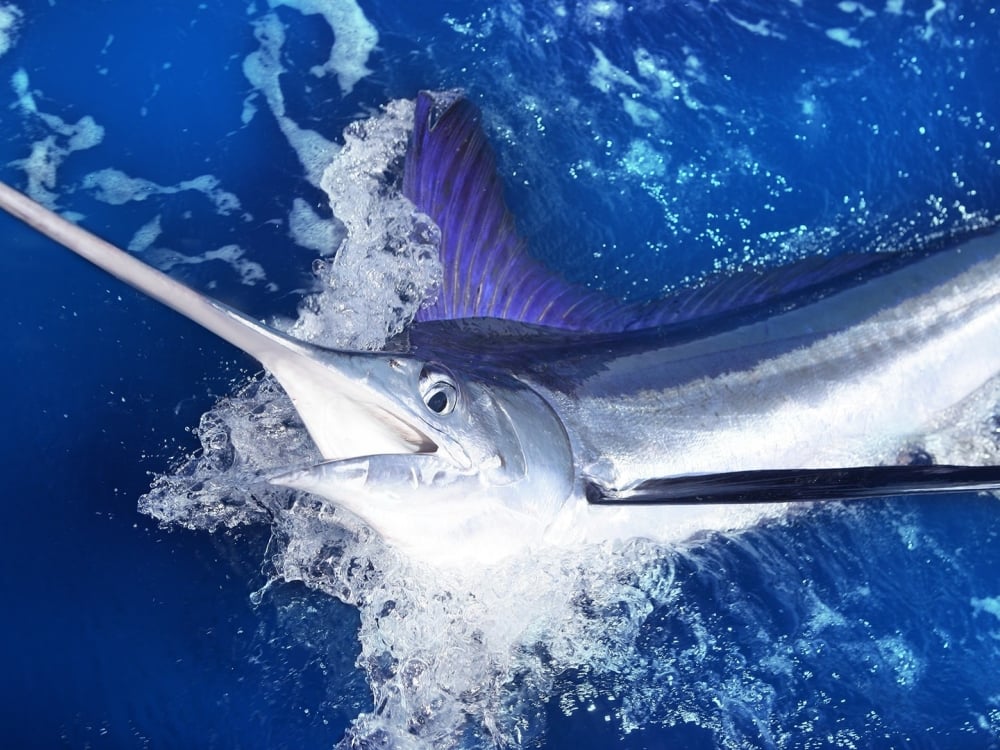
You won't meet a blue marlin while paddling around the shallows off Cable Beach. These fish live farther offshore, where their speed and size make a lot more sense.
The national fish of The Bahamas, blue marlin have a long, pointed bill, a streamlined body, and deep blue colouring along the back that fades towards the belly. They're powerful predators, and seeing one in the wild is the kind of encounter that tends to stick with you.
If blue marlin are on your list, a deep-sea fishing charter is your best bet. Nassau & Paradise Island has experienced operators who head into deeper water, where there's a real chance of seeing one in its element.
Caribbean Spiny Lobster
If your mental picture of a lobster involves two enormous claws, Bahamian spiny lobster may surprise you.
These reef-dwellers don't have the oversized front claws of their cold-water cousins. Instead, they come equipped with a hard shell, plenty of spines, and a pair of long antennae that often give away their hiding place before the rest of the animal comes into view.
Spiny lobsters like to spend their time tucked beneath ledges and inside reef crevices. As they grow, they shed their hard outer shell in a process called moulting, then wait for the new one underneath to harden.
Spiny lobster is also an important part of Bahamian fishing and food culture. You'll see it on menus across the islands, particularly when lobster season is underway.
Great Barracuda
A barracuda has the sort of face you remember.
The long body, pointed head, and very obvious teeth can make a first encounter feel slightly intimidating. In the water, though, what often stands out is how little effort they seem to make. A barracuda can hang almost motionless near a reef, watching what's happening around it, then move with startling speed when it wants to.
Great barracuda are common in tropical and subtropical waters, including The Bahamas. If one turns up while you're snorkelling or diving, give it plenty of space. Watching one cruise around a reef is memorable enough from a distance.
You can also see barracuda at Atlantis Paradise Island, along with sharks, rays, eels, and hundreds of other marine species.

Lionfish
Lionfish might be the most beautiful troublemaker in Bahamian waters.
Their striped bodies, fan-like fins, and long venomous spines make them one of the easiest reef fish to recognise. They look so ornamental that it's easy to forget they don't belong here.
Lionfish are native to the Indo-Pacific. In The Bahamas and across the wider Caribbean, they're an invasive species that preys on native reef fish. They're striking, but around here, they're an unwelcome sight.
And those dramatic spines aren't decorative. They're venomous, so this is very much a look-don't-touch situation.
Sea Stars
We'll forgive everyone who calls them starfish. Most of us grew up doing exactly that. Technically, though, sea stars aren't fish at all.
They're echinoderms, which makes them relatives of sea urchins and sand dollars. They don't have brains or blood in the way vertebrates do, and many species can regenerate damaged arms.
If you come across one in shallow water, leave it there. Picking up sea stars for photos can stress or injure them, and watching those tiny tube feet at work is far more interesting anyway.
You can also get a closer look at marine life at The Sanctuary at Baha Mar, where you'll find green sea turtles, nurse sharks, stingrays, Caribbean fish, and other animals.
Green Sea Turtles
There are marine-life sightings, and then there are sea turtle sightings.
Green sea turtles move through the water with an incredible calmness. They're found in tropical and subtropical seas around the world, including Bahamian waters, where coastal habitats and seagrass beds provide important feeding areas.
They're protected wildlife, so distance matters. Don't chase, touch, feed, or crowd a turtle you encounter in the water. Give it room, and you'll usually get a much better look at its natural behaviour anyway. The Sanctuary at Baha Mar also cares for green sea turtles, giving visitors another chance to learn about the species without relying on a lucky sighting offshore.
Where to Explore Marine Life Around Nassau & Paradise Island
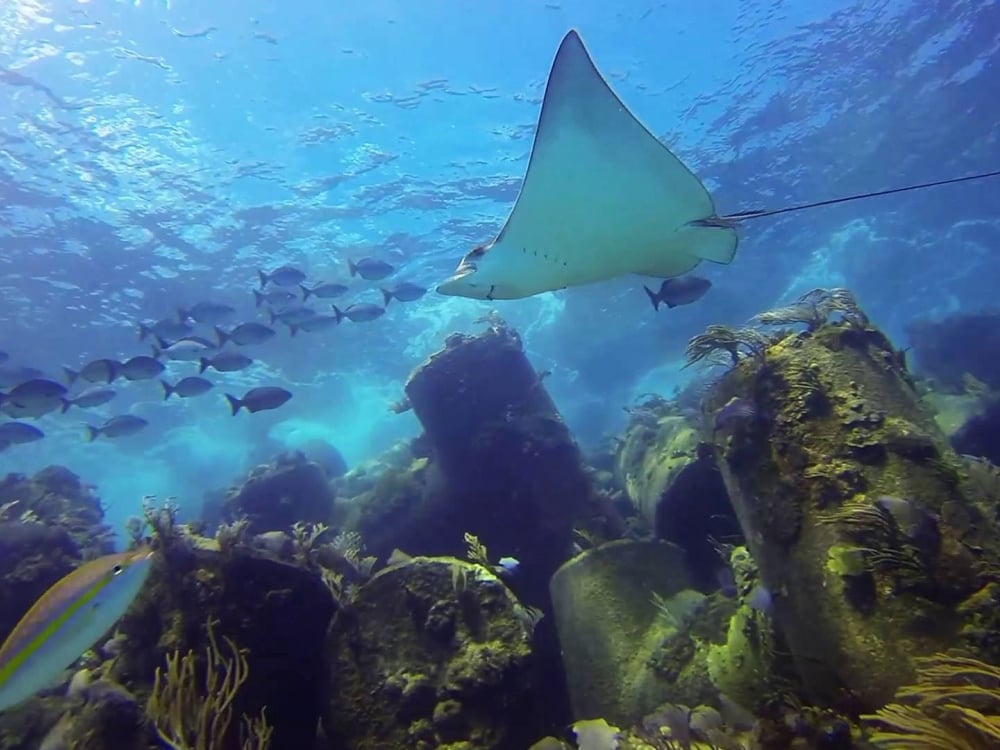
The reefs off New Providence are where you'll find much of the marine life visitors hope to see, including barracuda, spiny lobster, sea stars, and plenty of reef fish. For blue marlin and other open-water species, you need to head farther offshore.
- Clifton Heritage Park on western New Providence is one of Nassau's best places to snorkel. Just offshore, you can explore the park's underwater sculpture garden along with reef habitat and marine life.
- Stuart Cove's Dive Bahamas heads out to shallow reefs, wrecks, and some of Nassau's underwater film sites. Going with a guide takes some of the guesswork out of it, especially if you don't want to pick a beach and hope for the best.
- Atlantis Paradise Island puts a huge range of marine life in one place. Its habitats include sharks, rays, barracuda, eels, tropical fish, and hundreds of other species.
- The Sanctuary at Baha Mar on Cable Beach offers guided wildlife experiences with animals including green sea turtles, nurse sharks, stingrays, and Caribbean fish.
Come See What's Below the Surface
The water around Nassau & Paradise Island is full of surprises. There's always something else moving through the reef, tucked under a ledge, or passing offshore.
We'd love for you to see it for yourself. Explore water activities in Nassau & Paradise Island and come see what's waiting just offshore.
Frequently Asked Questions About Marine Life in Nassau & Paradise Island
You may see reef fish, barracuda, sea stars, spiny lobster, and occasionally sea turtles, depending on the site and conditions.
Very unlikely. Blue marlin live offshore, so a deep-sea fishing charter is your best bet.
No. Clownfish are native to the Indo-Pacific, not The Bahamas or the Caribbean.
No. Lionfish are invasive here and prey on native reef fish.
Atlantis Paradise Island and Baha Mar's Wildlife Sanctuary both offer close-up marine-life experiences.
Clifton Heritage National Park is a standout, with reef habitat and an underwater sculpture garden just offshore.
Stories from the Island

Authentic Bahamian Food: Must-Try Dishes in Nassau & Paradise Island